Mignonette Alpine Strawberry
Fragaria vesca ‘Mignonette’
A compact alpine strawberry grown for intensely flavored, aromatic berries and a long harvest season. Small in stature but remarkably rewarding, Mignonette is an excellent introduction to perennial fruit growing.

Difficulty
To be confirmed
Water needs
To be confirmed
Life cycle
To be confirmed
Mature size
To be confirmed
USDA hardiness
To be confirmed
Plant spacing
To be confirmed
Light
To be confirmed
Container suitability
To be confirmed
Soil type
To be confirmed
Time to harvest
To be confirmed
Preferred soil pH
To be confirmed
Pollination requirements
To be confirmed
Why Grow It?
Mignonette offers an experience that grocery-store strawberries simply cannot match. Unlike garden-center varieties bread for shelf-life, this alpine cultivar prioritizes an intense, aromatic flavor reminiscent of wild berries. Its compact, runnerless growth makes it a perfect teacher for small spaces, producing a steady stream of fruit throughout the season rather than one overwhelming harvest. Growing it is a lesson in patience and the rewarding rhythm of perennial fruit.
Meet the Plant
Genus & Species
Fragaria vesca — The wild strawberry genus, noted for high aromatics and perennial resilience.
Rosette Habit
The plant grows in a compact circle (rosette) without sending out runners, staying exactly where you plant it.
The Crown
The central growing point at the soil surface where all leaves and flower stems originate.
Leaves & Fruit
Trifoliate (three-part) jagged leaves surround central five-petaled white flowers which develop into small, pointed strawberries.
Soil & Roots
The health of your Mignonette begins beneath the surface. Alpine strawberries possess a relatively shallow but intensive fibrous root system that relies heavily on root-zone oxygen. We prioritize soil structure—aiming for a mix that is rich in organic matter yet maintains significant drainage. Compaction is the primary enemy; when soil becomes too dense, water displaces the oxygen your roots need to breathe, leading to stress. Whether in containers or in-ground, aim for a slightly acidic pH (mid-5.0s to 6.5) to ensure optimal nutrient availability.

Light & Temperature
Directly descended from woodland cultivars, Mignonette thrives in bright but tempered light. While it requires 6-8 hours of sunlight for maximum fruit production, it is remarkably sensitive to intense heat stress. In high-summer environments, afternoon shade acts as a protective mechanism, preventing the rosette from wilting. Temperature fluctuations signal seasonal growth; as a perennial, the plant will enter a dormancy period during winter, maintaining its internal energy until the soil warms again in spring.
Watering
Mastering water management means learning to observe before you act. The Mignonette requires consistent moisture but never saturated roots. Overwatering effectively drowns the roots by displacing essential oxygen, while underwatering stunts the developing berries. We teach the 'finger test': if the top inch of soil feels dry, it is time to hydrate. Container-grown plants will dry faster than those in-ground, and your plant’s needs will shift dynamically with humidity, wind, and its own growth stage.
Soil Moisture Check
Planting & Transplanting
Successful establishment begins with careful handling of the root system and precise crown placement. Prepare your site with loose, organic-rich soil to minimize transplant stress. Ensure the roots are spread naturally and the plant is watered immediately to settle the soil and eliminate air pockets around the root zone.
Too Deep
Just Right
Too Shallow
Feeding the Plant
Nutrition is best provided through high-quality organic matter rather than synthetic spikes. Mignonette benefits from balanced macronutrients (NPK) and essential micronutrients found in compost or worm castings. Avoid excessive nitrogen, which promotes lush leaf growth at the expense of berries. Observe leaf color and growth patterns for clues to the plant's nutritional health.
Flowers, Pollination & Fruit
Explore how Mignonette develops from delicate white blossoms into fragrant berries. Strawberries are botanically unusual as their 'seeds' (achenes) sit on the outside of a fleshy receptacle. Successful fruit set relies on pollination by beneficial insects, while environmental factors like root-zone oxygen and consistent moisture define the final flavor profile.
Perennial Care
As a perennial, Mignonette enters dormancy during winter, allowing it to regenerate for the coming year. Prepare for the next season by removing damaged foliage and maintaining a healthy crown free from debris. This cyclic growth ensures your alpine strawberry remains productive for several years in the garden.
Harvest
Harvest when the berries are deep red and yield slightly to gentle pressure. Alpine strawberries are at their aromatic peak when picked frequently. Because the fruit is delicate, handle with care and consume shortly after picking to enjoy the full intensities of flavor and aroma characteristic of the Mignonette cultivar.
Beneficial Life: The Garden Ecosystem
Successful gardening extends beyond the plant to the vibrant community of life surrounding it. Mignonette thrives when supported by a healthy, regenerative ecosystem of pollinators, predatory insects, and soil microorganisms that work together to maintain balance without the need for synthetic intervention.
Pests & Problems Diagnostics

Chewing Insects
Look for irregular holes in leaves or notched edges. Observation is key before intervention.

Sap-Feeding Insects
Check for curling leaves or sticky residue (honeydew) on the undersides of foliage.

Slugs & Snails
Identifiable by slimy trails and large, ragged holes in fruit or lower leaves near the soil.

Fungal Diseases
May appear as powdery white spots or gray mold on fruit during humid or poorly ventilated periods.

Root Problems
General wilting despite moist soil often indicates lack of oxygen or root-zone issues.

Nutrient Deficiencies
Yellowing between leaf veins or purple tinting can signal a need for improved organic matter.

Heat Stress
Sudden wilting during peak sun or scorched leaf edges. The plant usually recovers by evening.
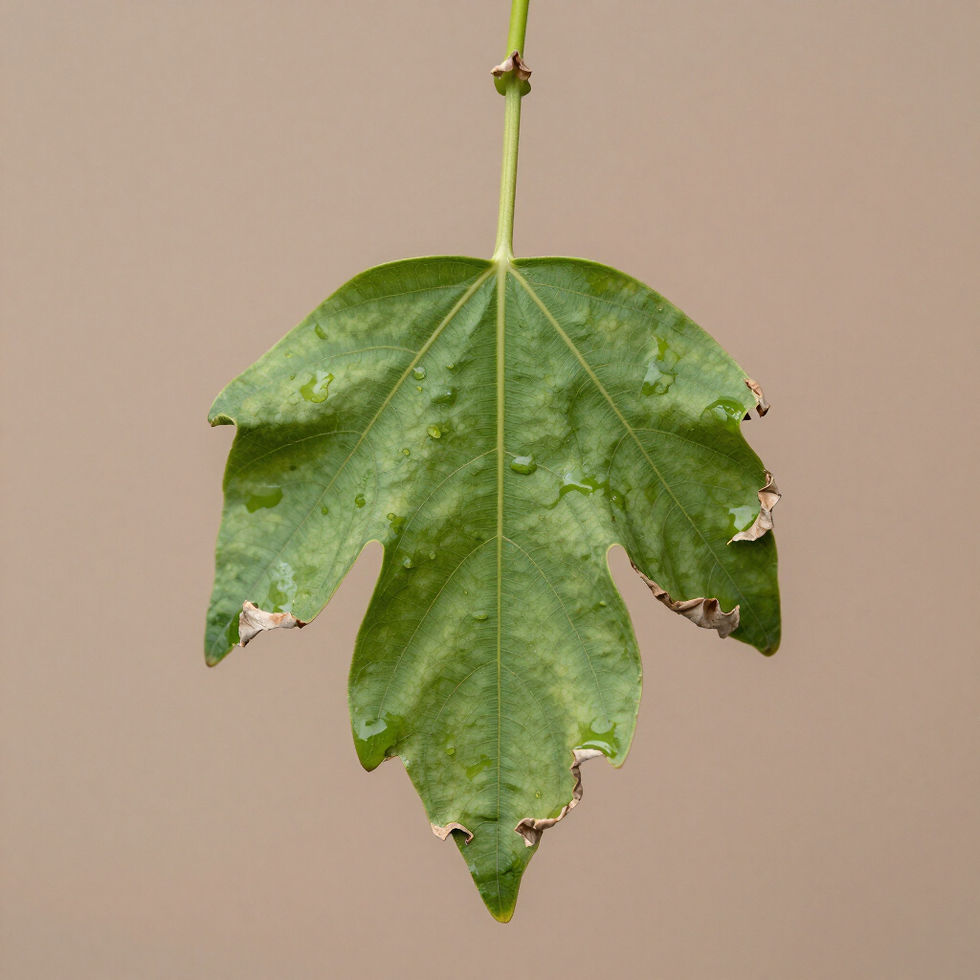
Water Stress
Dull, drooping leaves and dry soil surface. Proper root-zone moisture is critical for fruit set.
Your plant is also your teacher.
Crown Anatomy
Soil Drainage
Flower-to-Fruit Development
Root-Zone Health
Water Management
Pollination
Pest Observation
Plant Nutrition
Perennial Growth Cycles
Ecosystem Relationships
Plant Hatch will introduce these concepts progressively while you follow your plant through My Hatch.
Want to grow Mignonette?
Hatching Status: To be confirmed